Heat Pump Guide
Are Hot Water Heat Pumps Worth It in New Zealand?
Thinking about upgrading your hot water system? We break down the differences between hot water heat pumps and standard electric cylinders for Waikato homes.
Understanding the shift in hot water heating
Many of our customers in Hamilton and the surrounding towns like Cambridge and Morrinsville are looking for ways to trim their power bills. A significant portion of your home electricity use goes into heating water, especially in the winter months when the water coming into your home is colder. Choosing between a standard electric hot water cylinder and a hot water heat pump is a common decision point for homeowners renovating older villas or 1970s brick homes.
At 2E Electrical, we see both systems every day. While heat pumps are efficient, they are not a one-size-fits-all solution for every property in the Waikato. Getting it right depends on your budget, your property layout, and how your family uses water.
How the technologies differ
A standard electric hot water cylinder acts like a large jug. It uses an electrical element to heat a tank of water directly. It is simple, reliable, and cheap to buy, but it uses a fair amount of electricity to keep that water at temperature.
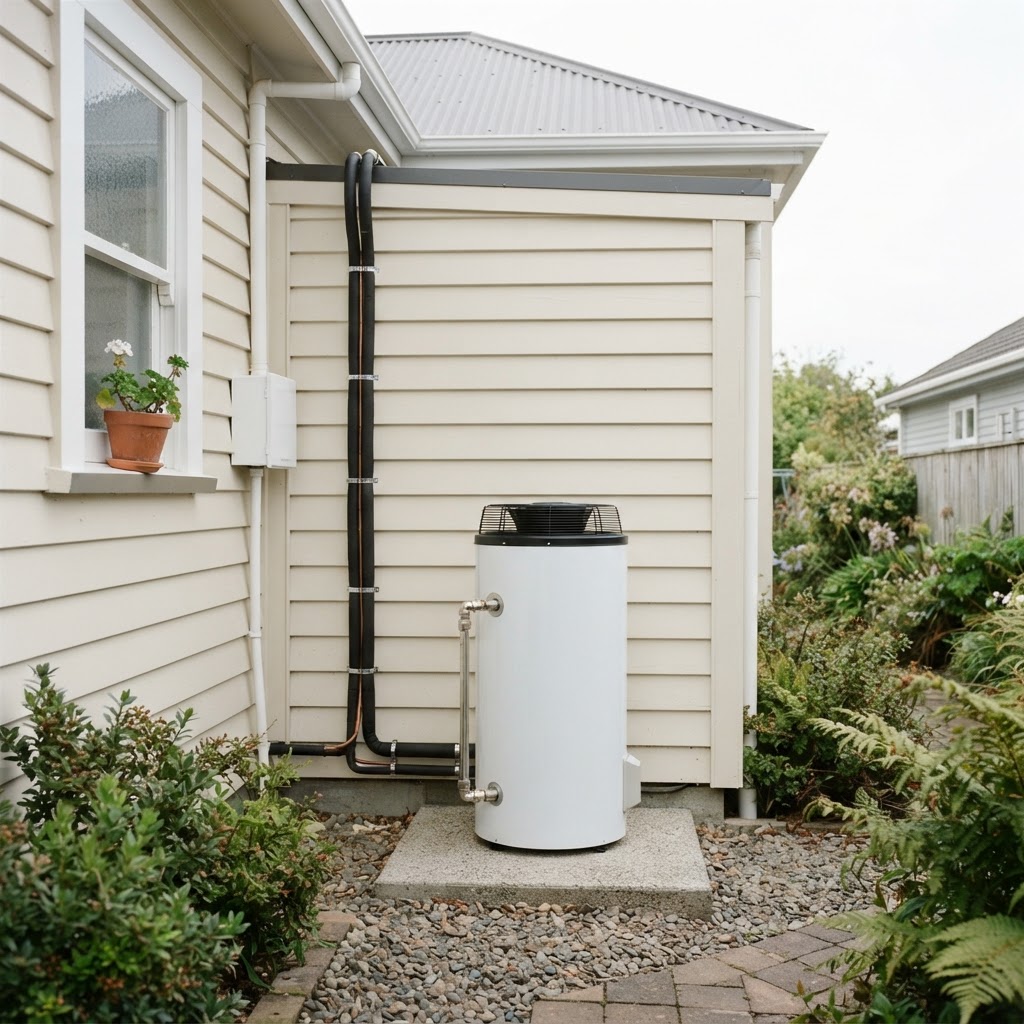
A hot water heat pump, by contrast, acts like your room air conditioner in reverse. It draws warmth from the air outside and uses a refrigerant cycle to transfer that heat into your water tank. Because it moves heat rather than creating it directly from electricity, it can be three to four times more efficient than a standard element cylinder.
Running costs and efficiency
Because of that efficiency, a hot water heat pump typically costs less to run than a standard electric element cylinder. The savings can be significant over a year, but they depend on your specific household habits. If you have a large family with high hot water usage, the payback period for the higher upfront cost of a heat pump is much faster. If there are only one or two people in the house, the savings on your power bill might take several years to recover the initial investment.
Installation and space considerations
One of the biggest practical differences is how they are installed. A standard electric cylinder is quiet, contained, and can often fit in a laundry cupboard. A hot water heat pump system usually consists of two parts: the tank and an outdoor unit.
- The outdoor unit needs space outside for airflow, much like a room heat pump.
- The system creates noise when the compressor runs, similar to the hum of a standard outdoor air conditioning unit.
- Placement is critical to ensure it doesn't disturb neighbors or sit in a spot where it blocks access around the house.
In our older Waikato homes, finding the right spot for the outdoor unit can be a challenge. We sometimes find that homes in tighter sections in central Hamilton or older villas in Cambridge don't have a good exterior wall location for a hot water heat pump unit, which might make a standard cylinder a more practical choice.
Climate and performance in the Waikato
We know that the Waikato basin brings its own unique challenges. Our heavy morning frosts in Cambridge and Morrinsville, or the thick winter fog in Hamilton, can affect how a heat pump works. Most modern units are designed to handle our conditions, but they do have to work harder when the outdoor air temperature is near zero. They also periodically need to run a defrost cycle, which is normal operation. While these units are effective here, the drop in efficiency during very cold snaps is something to account for in your planning.
When a traditional cylinder still makes sense
Sometimes, the reliable, simple nature of a standard electric cylinder is the best option.
- Low usage households: If you are a single person or a couple with low hot water demand, the lower upfront cost of a new cylinder is often the most economical choice.
- Space constraints: If your house design makes it impossible to place an outdoor unit near your plumbing setup, or if you simply lack the exterior space, the effort to install a heat pump can become prohibitive.
- Budget: If you need an urgent replacement for a leaking tank, a standard cylinder is often available immediately and is cheaper to install today.
Solar interaction
If you have solar panels, a hot water heat pump is a clever way to 'store' your excess solar energy as hot water. Instead of sending power back to the grid for a low buy-back rate, your heat pump can run during the middle of the day to heat your tank. This maximizes your self-consumption. A standard cylinder can also be linked to some solar diverters, but the heat pump's efficiency means you get more hot water for every kilowatt of solar energy you generate.
Where to go next
Whether you need help deciding on the right hot water solution or you want to book a routine check, we are here to help. We provide heat pump installation in Hamilton and professional heat pump servicing in Hamilton to keep your home comfortable year-round. If you are interested in exploring hot water heat pumps in Hamilton or need heat pump repairs in Hamilton, we can provide a site assessment to see what is possible. Our team also works across heat pumps in Cambridge and heat pumps in Morrinsville. To chat about your project, please Talk to 2E Electrical.
Frequently asked questions
Need a hand with your heat pump?
2E Electrical services Hamilton, Cambridge, Te Awamutu and surrounding areas. Call 0800 233 532 or request a free in-home assessment.
Related heat pump guides
Heat Pump Guide
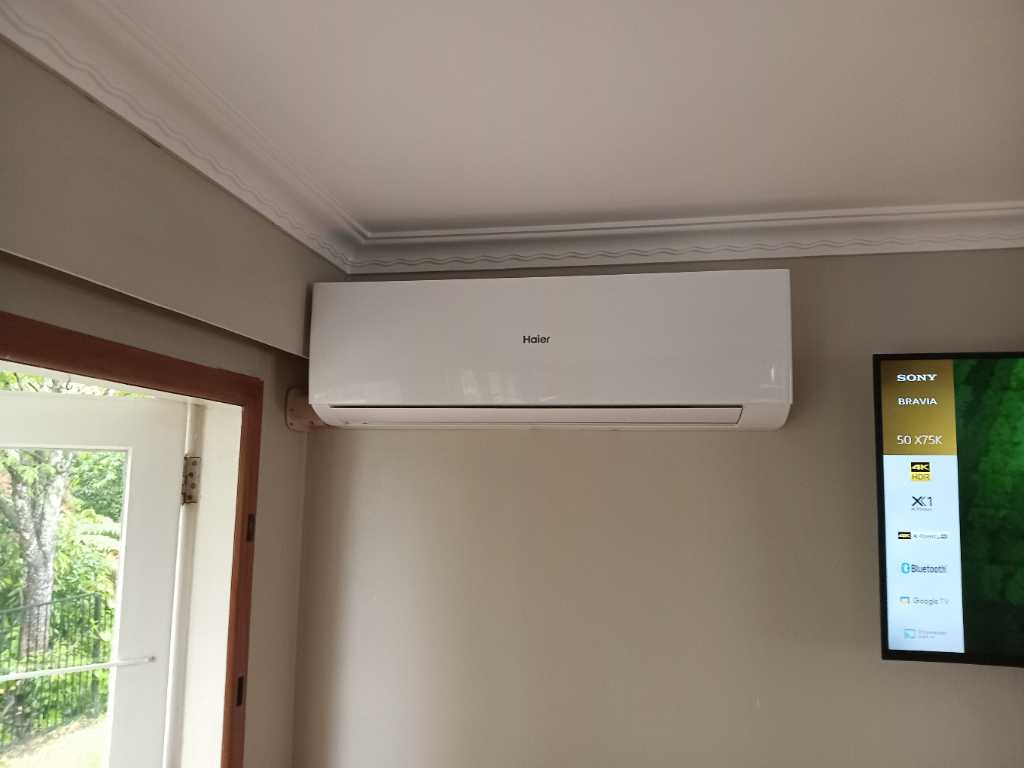
How Often Should You Service Your Heat Pump in New Zealand?
Regular maintenance keeps your heat pump running efficiently through the harsh Waikato winters. Here is what you need to know about professional servicing and the care required to keep your home comfortable.
Heat Pump Guide
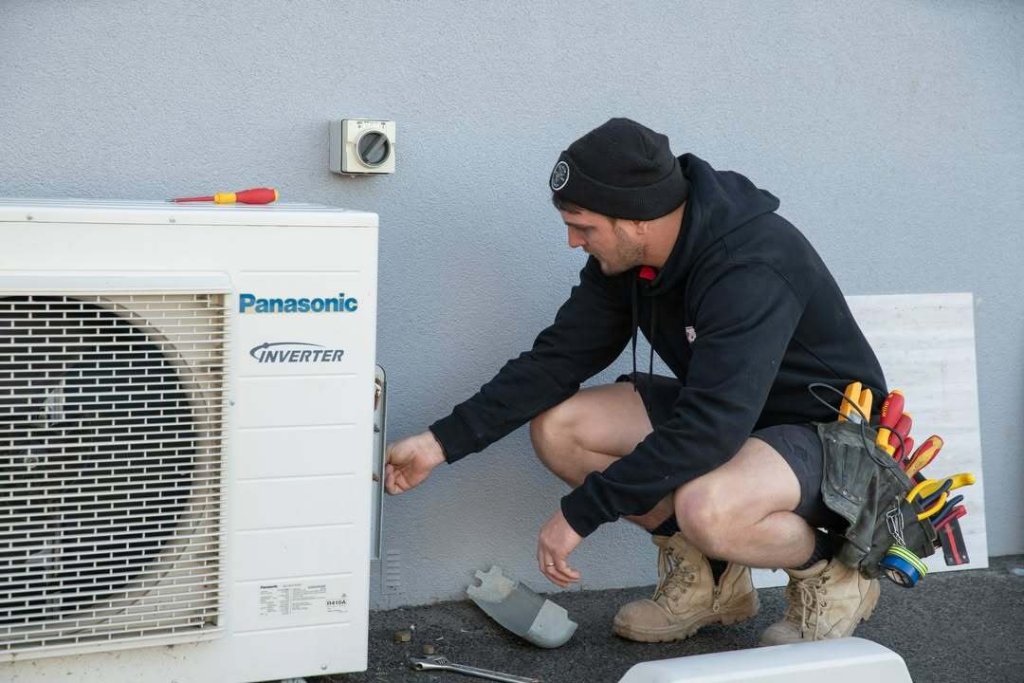
How Much Does It Cost to Install a Heat Pump in Hamilton?
Understanding the real costs of a heat pump installation involves more than just the unit price. This guide explains what influences the final quote for Hamilton and Waikato homes.
Heat Pump Guide
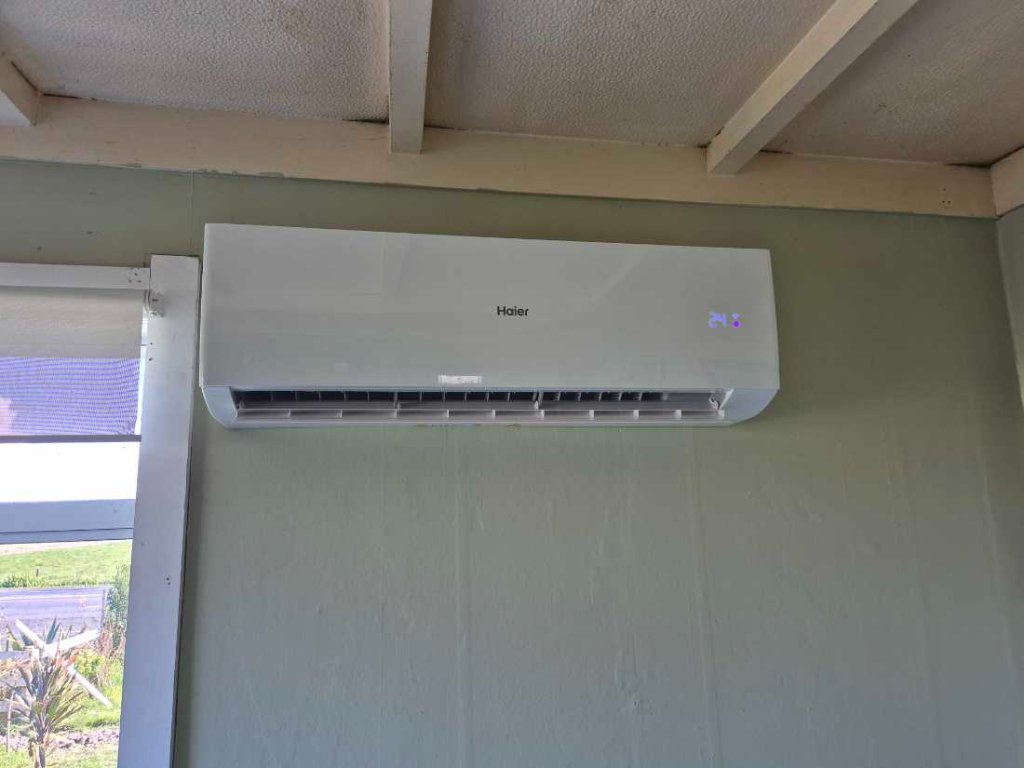
Understanding Heat Pump Running Costs in the Waikato
Heat pump power bills depend on how you use the system and the efficiency of your home. This guide covers how to manage running costs for homes in Hamilton, Cambridge, and Morrinsville.
Talk to a local heat pump specialist
Free in-home assessments in Hamilton, Cambridge, Te Awamutu and surrounding areas.